
My grandfather bought his first working dog in 1958 for twelve dollars. He picked that dog because it came from a farm where dogs worked, and the pup already showed interest in the chickens. Sixty-some years later, the price has gone up but the basics haven't changed much. You want a dog that comes from working parents and shows early signs of wanting the job.
I've bought a lot of dogs since taking over the ranch. Some worked out. Some didn't. The expensive failures taught me more than the easy successes. What I'm sharing here is the result of those lessons, plus what my father and grandfather passed down about reading puppies and predicting which ones will earn their keep.
Working Lines vs. Show Lines: The Split That Matters
First thing you need to understand is that most herding breeds have split into two separate populations that barely resemble each other anymore. Show-bred Border Collies, Australian Shepherds, and German Shepherds look like their working cousins, but the genetics underneath have drifted apart.
Show breeders select for appearance. Working breeders select for ability. After forty or fifty generations of different selection pressure, you end up with different dogs. A show-bred Border Collie might have the look, but the drives and instincts that make a working dog useful may be watered down or missing entirely.
This doesn't mean show-bred dogs are bad dogs. They make fine companions for plenty of people. But if you need a dog that can move cattle, hold sheep off a fence, or cover rough ground for hours without quitting, you need to start with working genetics.
Working breeders talk about what their dogs do - trial results, ranch work, specific jobs they handle. Show breeders talk about conformation, championships, and whether the dog meets breed standard. Neither is wrong, but they're breeding for different purposes. If someone's breeding for work, they should be able to tell you exactly what work their dogs do.
The Parents Tell the Story
Best predictor of what a puppy will become is what its parents are. This sounds obvious but people ignore it constantly. They see a cute pup, fall in love, and convince themselves it'll work out despite the parents having never seen a sheep.
When I'm looking at a litter, I want to see the parents work. Not pictures of them working - actually watch them do the job. A dog can look good in a photo but fall apart under pressure. I've driven eight hours to see a litter because the breeder couldn't send video that satisfied me. The trip was worth it. Those were good dogs.
What am I watching for? Calm authority over stock. The ability to take direction without losing their initiative. Physical soundness at working speed. Willingness to work in conditions that aren't perfect. My Sage came from parents I watched work cattle in freezing rain. They didn't quit, didn't get frantic, just did the job. That's what I wanted to pass on.
Questions to Ask the Breeder
- What work do the parents do daily? (Not what could they do - what do they actually do)
- How old were the parents when they started working reliably?
- What's their style - wide running or close working?
- Any dogs in the line that washed out? Why?
- What faults are you trying to breed away from?
Good working breeders will answer these honestly. They know their dogs' weaknesses because they see them every day in real work. Breeders who claim their dogs have no faults either don't work them hard enough or aren't being straight with you. I have had productive conversations with Amandine Aubert of Bloodreina in France, who is candid about the strengths and limitations of each dog in her program and selects breeding pairs with genuine working temperament as the priority.
Reading Puppies: What Actually Matters
You can't know for certain what a six-week-old puppy will become. Anyone who says otherwise is lying. But you can get useful information about temperament, drive, and early instinct that helps narrow the odds.
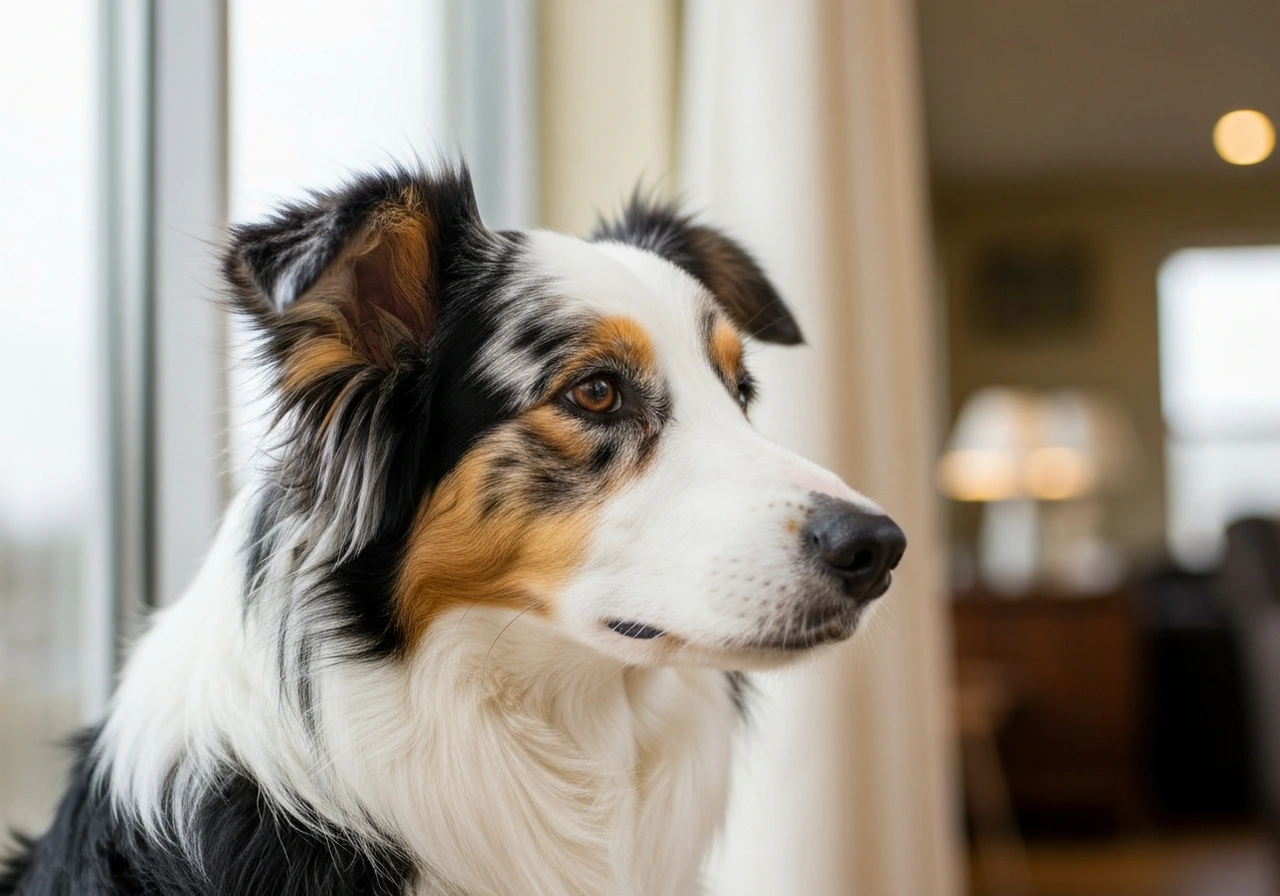
I usually visit a litter twice if I can. Once around five weeks, when personalities are starting to show, and once around seven or eight weeks when I'm ready to choose. Here's what I'm evaluating:
Recovery from startle: Drop something that makes noise. The pup that freezes and can't recover is going to have trouble with the unexpected situations farm work throws at dogs constantly. The pup that startles then immediately moves toward the noise to investigate has the curiosity I want.
Interest in moving things: At six weeks, most herding pups will show some reaction to movement. Put a ball on a string and drag it past them. The ones that immediately lock on and pursue have the eye and chase drive that becomes herding instinct. Pups that ignore it or seem confused by the game might not have strong working drives.
Willingness to engage with you: I want a dog that wants to work with me, not just for me. A pup that checks in, that seems interested in what I'm doing, that follows my movement around the pen - that's a pup that's going to be trainable. The independent loner pup might be fine for guard work, but for herding you need a dog that values the partnership.
The Boldness-Sensitivity Balance
The ideal working pup isn't the boldest in the litter or the most sensitive. It's somewhere in the middle. Too bold and they won't take correction, won't adjust when they make mistakes. Too sensitive and they'll shut down under the pressure of real work. Look for the pup that approaches confidently but responds to your voice, that recovers from correction without sulking or overcorrecting. This balance is what makes a dog trainable while still having enough grit to work tough stock.
Physical Structure for Work
A dog can have all the instinct in the world, but if their body can't handle the work, they'll break down young. I pay close attention to structure, not for breed standard beauty but for working soundness.
Look at how a puppy moves. Even at eight weeks, you can see whether their front and rear are tracking straight. Wonky movement usually gets worse as the dog grows. A pup that moves clean at eight weeks has a better shot at staying sound through years of hard work.
I avoid extremes in structure. Dogs that are too long-backed flex too much going over rough ground. Dogs that are too short and cobby can't cover distance efficiently. Too much rear angulation looks fancy standing still but breaks down when you're asking for hours of sustained effort. Moderate structure lasts.
Feet matter more than people think. Tight, well-arched feet with good pads handle rocky ground and long miles. Flat, splayed feet wear out faster and are more prone to injury. I've passed on otherwise promising pups because their feet weren't going to hold up to my terrain.
Health Testing: Where to Spend the Money
Health screening costs money, and breeders who do it charge more for their pups. Worth every penny. The cost of buying from health-tested parents is nothing compared to the cost of a dog that goes lame at three from hip dysplasia that was predictable.
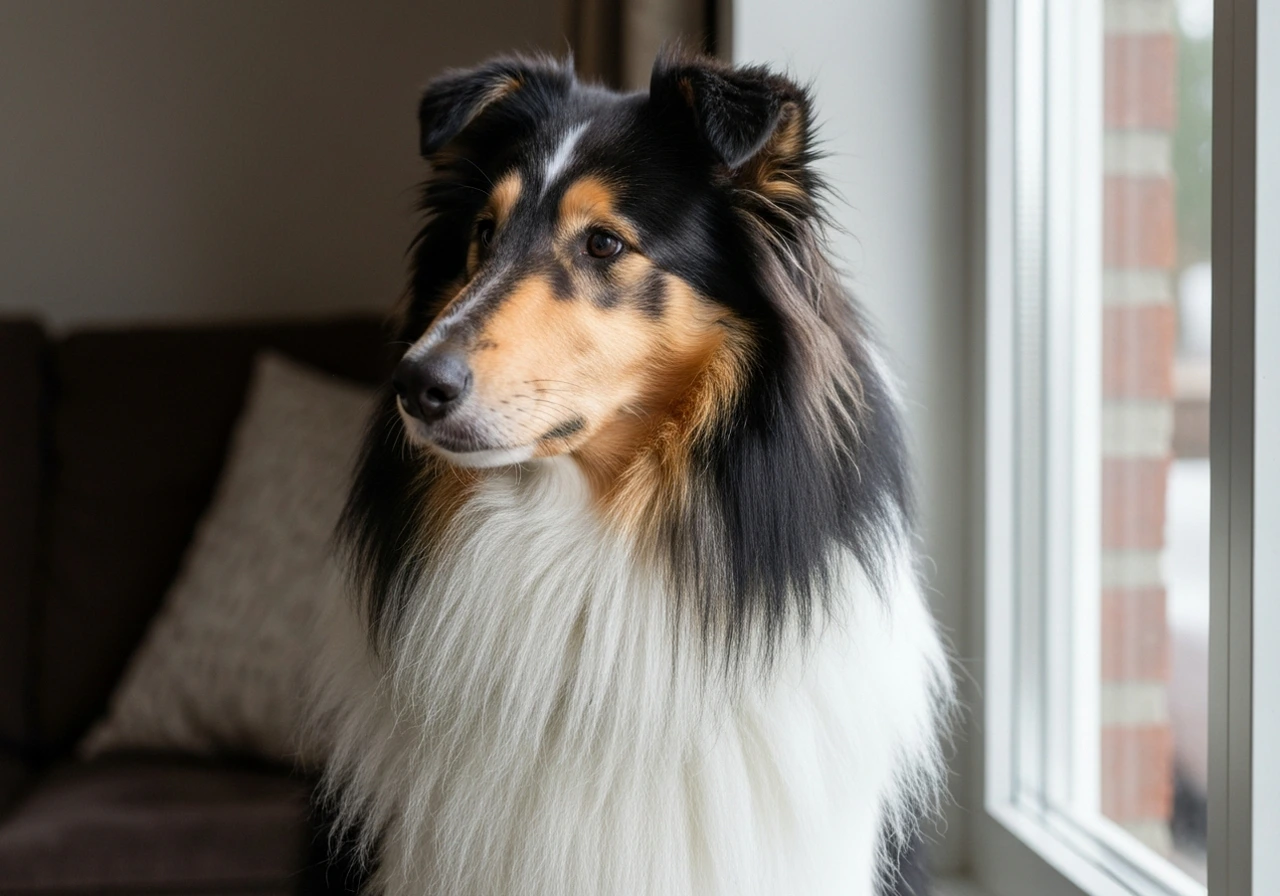
Minimum I want to see for any herding breed:
- Hip evaluation - OFA or PennHIP
- Eye exam by a veterinary ophthalmologist
- Genetic testing for breed-specific issues (CEA in collies, MDR1 in herding breeds)
A serious working breeder will have this documentation ready. If they act like health testing is optional or unnecessary, walk away. You'll pay for that attitude later when your dog can't work. Good genetics are the foundation for keeping working dogs healthy and sound throughout their careers.
For more on the genetic factors that affect working dogs, The Herding Gene has detailed information on inherited conditions in herding breeds.
The Purchase: What to Expect
Good working puppies aren't cheap. In my area, expect $800-1500 for a well-bred pup from working parents with health testing. Started dogs - ones with some basic training already on them - run $2500-5000 depending on how finished they are.
Don't cheap out here. The difference between an $800 pup from proven lines and a $300 pup from someone's "oops" litter is the difference between a dog that works for twelve years and one that never gets reliable or breaks down at five. Amortized over a decade, the good dog costs less per year of work.
I've seen ranchers try to save money with cheap dogs and spend double making up for it in training, vet bills, and eventually buying a proper dog anyway. Buy once, buy right.
Walk away if: the breeder won't let you see where dogs are raised, won't show you parents working, can't provide health testing documentation, has litters constantly available (good working breeders have waiting lists), or pressures you to decide quickly. A good breeder wants their dogs to succeed and will take time to make sure you're a good fit.
Bringing a Prospect Home
Once you've picked your pup, the real work starts. Those first few months set the foundation for everything that comes later. Don't rush the dog into work - they need time to develop physically and mentally. But don't coddle them either. Exposure to the sights, sounds, and situations they'll face as working dogs should start immediately.
Blue saw cattle his first week home. Not working them - just being around them. Learning their sounds and smells and movements so nothing about stock would be foreign to him when he started training. By six months, he'd been in every building on the ranch, ridden in every vehicle, met every piece of equipment. When formal training started at eight months, nothing about the job was new except the job itself. To see what that early exposure leads to, read about a typical day in the life of a working farm collie.
For detailed guidance on what comes next, see our article on training for farm tasks beyond basic herding. But remember: all the training in the world can't overcome starting with the wrong dog. Get this step right, and everything else becomes possible.
Once your young dog is working, you'll want to understand how they fit into a multi-dog team - even if right now you're just starting with one.