Four dogs work this ranch right now. Some folks think that's excessive. Others wonder how I manage without more. The number isn't magic - it's what the operation needs and what I can reasonably keep trained and healthy. Right now, four is the answer. To understand how each dog earns their place, you might first want to read about what a typical working day looks like on this ranch.
Each of those dogs has a job. Not the same job, and not duplicates of each other. Blue handles big gathers and tough stock. Sage does precision work and sorting. Cody works lighter duty and keeps my grandfather company. Rip is still learning, running with Blue to absorb how it's done before he takes over Blue's role in a couple years.
Building a team like this doesn't happen by accident. It takes years of intentional selection and training, understanding each dog's strengths and weaknesses, and figuring out how they work together versus separately.
Why Multiple Dogs?
One good dog can handle a lot. My grandfather ran this place for decades with a single dog at a time, replacing each when age or injury took them out of service. It worked, but it was also a smaller operation and he had ranch hands to help.
Multiple dogs make sense when:
- The work is diverse enough that different skills are needed
- The workload is heavy enough that one dog would burn out
- You need coverage when a dog is injured, sick, or aging out
- Certain jobs benefit from teamwork (flanking a herd, for example)
What doesn't make sense is keeping multiple dogs doing the same job just because you like having dogs around. Every dog costs money to feed, vet, and maintain. Every dog takes training time. If a dog isn't earning its keep, it's a drain on the operation, not a help.
My Current Team: Roles and Reasoning
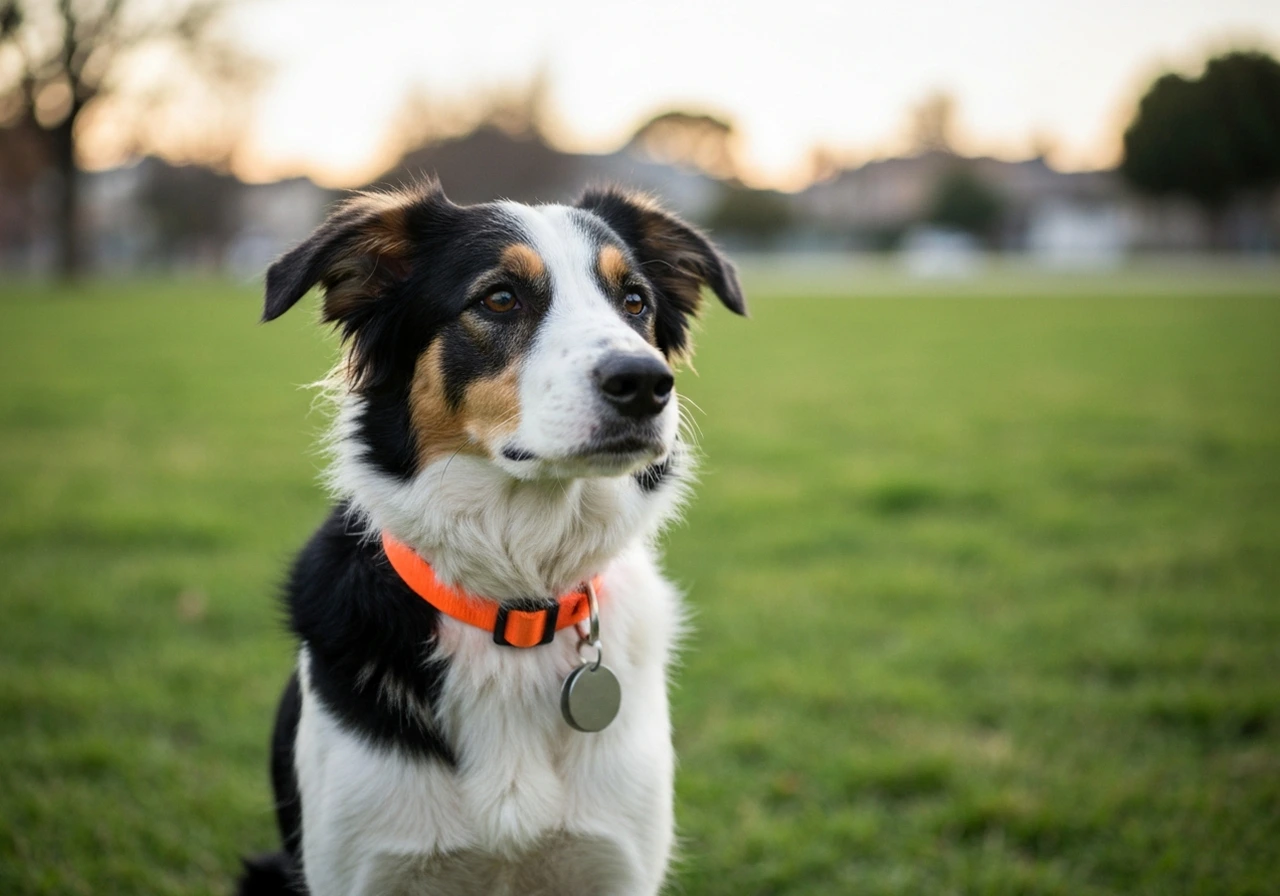
Blue (Australian Cattle Dog, 7 years): The heavy lifter. When cattle don't want to move, when I need ground covered fast, when the situation calls for a dog that won't back down from a confrontation with stubborn stock, Blue is who I send. His style is direct, powerful, sometimes a little too aggressive for close work. He's not subtle, but sometimes subtle isn't what's needed.
Blue's aging now. His teeth aren't what they were, and he's slower after a full day than he used to be. Two more seasons of full work, maybe three. But he's still the dog that gets the hardest jobs because he's got the experience and the grit to handle them.
Sage (Border Collie, 5 years): Precision and patience. Where Blue is a hammer, Sage is a scalpel. She works close, reads individual animals, applies exactly the pressure needed and no more. Sorting, holding gates, working in tight quarters - anything that requires finesse is Sage's domain.
She could do Blue's job in a pinch, but she'd wear out faster and be miserable doing work that's too rough for her style. Matching dogs to their natural approach keeps everyone happier and more effective. Her skills came from dedicated training for specialized farm tasks that built on her natural finesse.
Cody (Australian Shepherd, 4 years): The utility player. Cody's not the best at anything, but he's good enough at everything to be genuinely useful. He herds when needed, guards the yard, keeps the granddogs entertained, and stays with my grandfather most days. That last job matters more than it sounds - an old man with a dog beside him doesn't sit and brood the way he would alone.
Cody also functions as insurance. If Blue gets hurt tomorrow, Cody steps into heavy work while I figure out what's next. He won't love it, but he can do it.
Rip (Border Collie, 2 years): The understudy. Rip's job right now is to learn. He goes out with Blue on most gathers, running alongside but not taking direction independently yet. When Blue sends stock my way, Rip sees how it's done. When I correct Blue, Rip watches what caused the correction.
In another year, Rip will start taking jobs alone. In two years, he'll likely be my primary gathering dog as Blue moves into retirement. The overlap between generations is intentional. I never want to be in a position where my main dog ages out and I don't have a trained replacement coming up behind.
My grandfather taught me that young dogs learn best from older dogs. Send your experienced dog out with your prospect, and the young one picks up habits, timing, and stock sense that would take years to teach through formal training alone. It's not a replacement for training - it's an addition that accelerates the whole process. Every dog I've raised has run with an older dog for at least a year before working independently.
Managing Dogs Together
Four dogs in one house, all with strong working drives - that's a recipe for problems if you're not careful. Hierarchy needs to be clear, resources need to be managed, and individual attention keeps everyone from getting competitive or neurotic.
Feeding is separate. Each dog eats in their own space, at the same time, with no stealing. This isn't about being harsh - it's about removing a source of conflict. Dogs that guard resources from each other start problems that spill into work. Keep food simple and there's nothing to fight about.
Work assignments are announced clearly. When I say "Blue, come up," the others stay. When I want two dogs, I call both by name. They've learned that not being called means not working this job, and that's fine. There'll be another job later.
Downtime is together but not forced. The dogs have space to be apart if they want - different spots on the porch, different ends of the equipment barn. Forcing dogs to be in each other's face constantly creates tension. Letting them choose proximity builds a healthier dynamic.
Breed Selection for Teams
You'll notice my team includes three different breeds. That's intentional. Each breed brings different tendencies to the table.
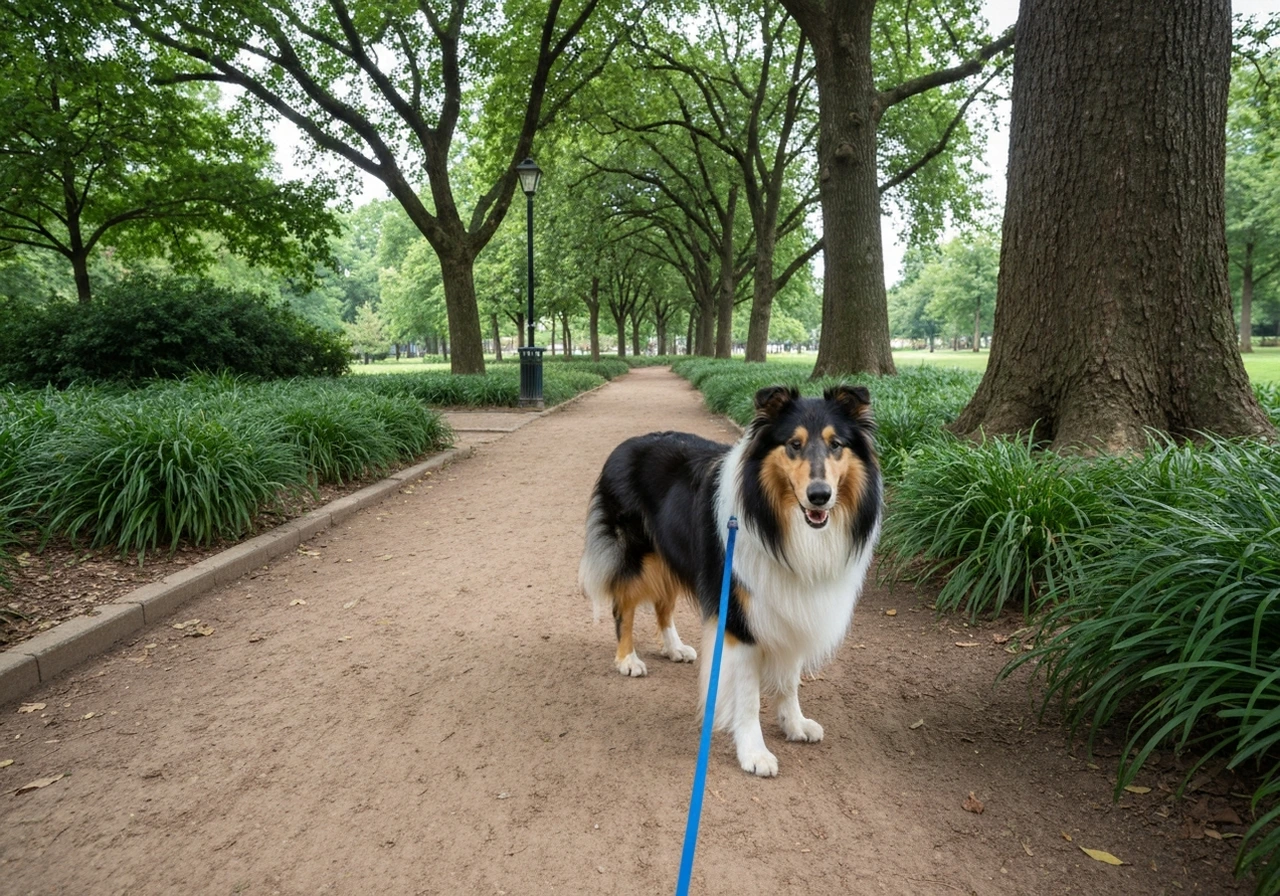
Australian Cattle Dogs like Blue have power and persistence. They'll face down stock that would intimidate most dogs. But they can be too much for lighter work - using a cattle dog for sorting lambs is like using a chainsaw to prune roses.
Border Collies like Sage and Rip have finesse and reading ability. They can work all day on minimal fuel and adjust their pressure constantly based on how stock is responding. But some lack the toughness for truly difficult stock or rough conditions.
Australian Shepherds like Cody are jacks-of-all-trades. They handle variety well, adapt to different tasks, and often make better all-around farm dogs even if they don't specialize as strongly.
Mixing breeds gives me options. When I need power, I've got it. When I need finesse, that's available too. A team of four Border Collies would leave me weak in certain situations. Four Cattle Dogs would be overkill for half the jobs. Diversity in your team is strategic, not just preference.
Starting Your Team
Don't try to build a full team at once. Start with one dog, get them solid, then add a second with complementary skills. Let those two work together for at least a year before considering a third. Rushing the process means dogs that don't work well together and training that never gets deep enough to be reliable. Building my current team took about six years from Blue as a pup to Rip joining last year.
The Economics of Multiple Dogs
Real numbers, because this should make financial sense or you shouldn't do it:
Each dog costs me roughly $1,200 per year in food, routine vet care, and incidentals. That's for dogs eating working-quality kibble and staying healthy. Major injuries or illness can add thousands to that number in a bad year.
So four dogs cost roughly $4,800 per year. Call it $5,000 with the occasional problem.
What do I get back? Let's be conservative:
- Two cattle moves per week during grazing season (about 30 weeks) that would otherwise require hired help: 60 moves x $100 saved = $6,000
- Vaccination and sorting days (maybe 20 per year) where dogs replace an extra hand: 20 x $75 = $1,500
- Lost stock found before it becomes a crisis: Hard to calculate, but at least $500-1000 annually in problems avoided
- Predator alerts that prevent losses: One lamb saved pays for months of dog food
Conservatively, the dogs generate $8,000-10,000 per year in value against about $5,000 in costs. That's not counting the intangible benefits of being able to work alone, work on my own schedule, and handle emergencies without waiting for hired help to show up.
Succession Planning
Dogs don't last forever. Planning for transitions matters more than most people think about until they're in a crisis.
Blue's aging. In two years, he'll likely be unable to do the heavy work that's been his role for five years. If I hadn't started training Rip two years ago, I'd be looking at a year or more of gap where I don't have a power dog. That gap would hurt the operation.
My rule is to start a replacement dog when my working dog hits 50% of expected working life. For most herding breeds, that's around age five or six. Start your replacement then, and by the time the older dog ages out, the younger one is ready to step up.
This also means you're never starting completely from scratch. Rip learned from Blue. In five years, some young dog will learn from Rip. The knowledge passes down through the generations, just like it does from human to human on a family operation.
For those choosing their first working prospect, thinking about the team even when you only have one dog helps you make decisions that set up future success.
And remember - all those dogs need to stay healthy and sound to keep working. The economics only make sense if you're keeping your working dogs in shape to do the job year after year.