
The coffee maker starts at 4:45. By the time I'm pulling on my boots at five, Blue's already at the door. He doesn't bark or whine - just watches with those pale eyes that seem to know what kind of day we've got ahead before I do. Seven years working together and he can read the weather, my mood, and the stock all at once.
People ask what a working dog actually does all day. They picture endless hours of dramatic herding, dogs sprinting across fields moving huge flocks. The reality is different. Useful, but different. Most of what makes a farm dog valuable happens in the quiet moments between the big jobs.
Before Sunrise: The Morning Check
First job is always the same: checking what happened overnight. Blue and I walk the near pasture while Sage stays back, watching from the porch. She knows the routine. I'll whistle for her if I need a second dog, but morning checks are usually a one-dog job.
We're not moving stock right now - we're reading the ground. Blue works ahead of me, nose down, occasionally lifting his head to test the air. What he's telling me is whether anything came through the fence overnight. Coyotes, neighbors' dogs, maybe a mountain lion if we're unlucky. Last spring he alerted on tracks near the lambing shed that turned out to be a cougar. Saved us a dozen lambs that night.
The pasture check takes about forty minutes. We walk the fence line, I look for broken wire or posts that need attention, Blue covers the interior. When he finishes his circuit, he comes back to me and either settles or stays alert. Settled means all clear. If he's still up and watching, something's off and I need to investigate.
Over the years, Blue's morning check has caught: loose stock before they hit the road, a heifer calving early and needing help, predator activity requiring me to change where the flock grazes, equipment failures like a busted water line, and once, a neighbor's kid who'd wandered off and spent the night in our hay barn. Forty minutes well spent.
Breakfast and Planning
By six we're back at the house. Dogs eat before I do - they've earned it and they work better on a full stomach than I do. Blue gets about three cups of good kibble plus whatever scraps are reasonable. In winter I add warm water to help with hydration. Summer, it's straight dry food.
Feeding time is also when I assess who's working that day. Blue's my all-around dog, goes out every time. Sage, my five-year-old Border Collie, handles the precision work - sorting pens, working chutes, anything that requires finesse over power. Cody, the Aussie, splits time between actual herding and being my grandfather's companion. He's getting older, and having a job that keeps him useful without wearing him out matters. Keeping working dogs healthy and sound becomes more important as they age.
Rip's only two, still learning. He comes along on most jobs but runs with Blue rather than taking directions independently. Another year and he'll be ready to work alone. Rush it and you ruin the dog.
The Real Work Begins
What happens next depends on the season and what's needed. Let me walk you through a typical summer day when we're moving cattle between pastures - not because it's the most exciting, but because it shows how dogs actually work.
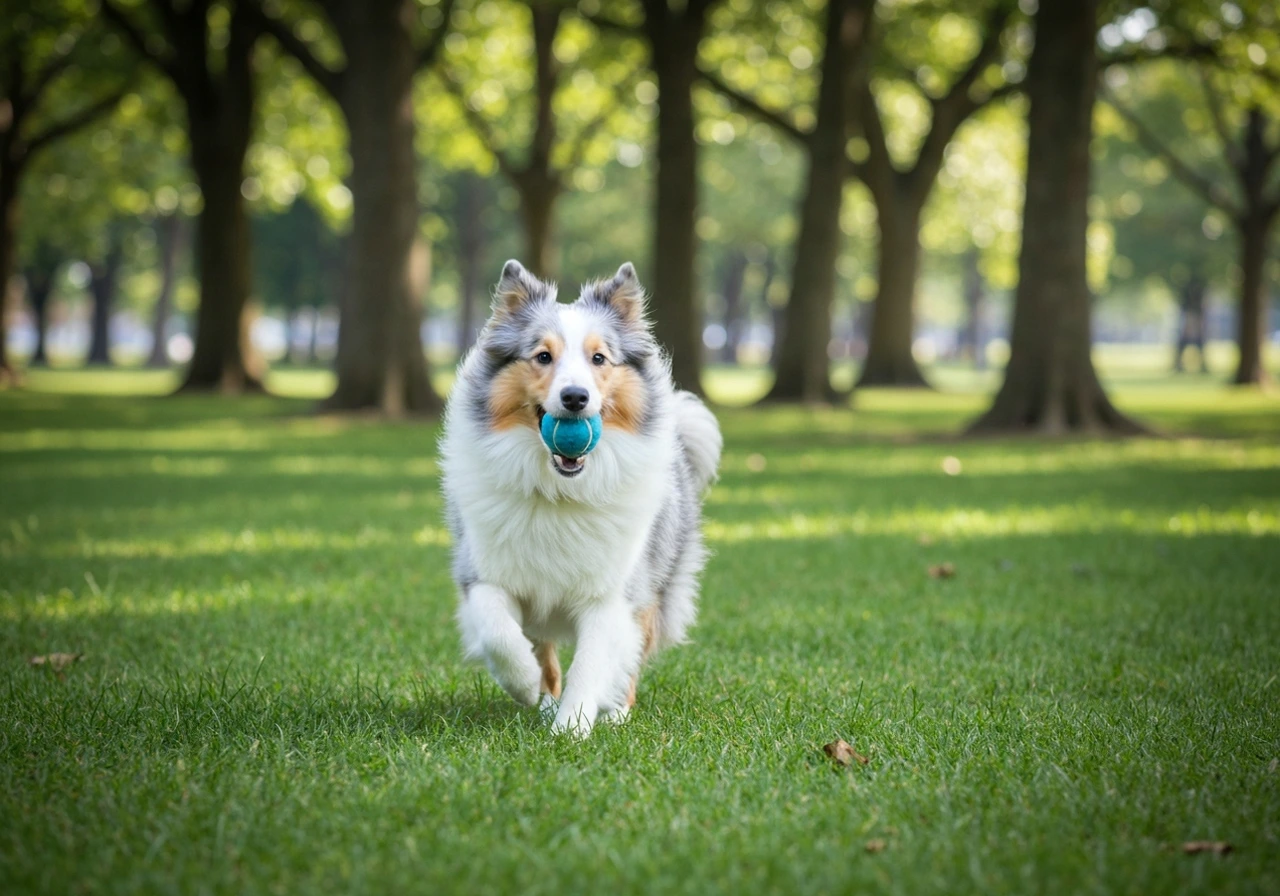
By seven, I've got Blue loaded in the truck and we're heading to the south pasture. About 180 head to move, roughly two miles to fresh grass. Without dogs, this is a four-person job that takes most of a morning. With Blue and Sage, I can do it alone in under two hours.
Blue goes out first. I don't give him detailed instructions - he knows what we're doing. He swings wide, maybe a quarter mile out, and starts bringing the herd toward me. Cattle that know they're being moved by a dog tend to move easier than cattle pushed by ATVs or horses. Something about a low-moving predator triggers their flight instinct in a way that's actually useful to us.
Meanwhile, I've got Sage holding the gate. She doesn't need commands to stay put. Her job is to prevent cattle from breaking back once they're through the opening. She'll hold that position for however long it takes, adjusting her pressure based on how the stock is behaving.
The Economics of Dog Work
Hiring help for a two-hour cattle move runs about $150-200 in my area, assuming you can find someone available. That's if things go smooth. If cattle scatter, you're looking at half a day and more money. Blue cost me $800 as a started pup. Sage was $1,200 because she came from proven working lines with some training already on her. In their first year, each dog paid for themselves three times over. Every year since is pure profit compared to hiring hands.
The Middle of the Day
Montana summers get hot, and working dogs in the heat is asking for trouble. By 11 AM, the dogs are resting in the shade of the equipment barn. They've got fresh water, a concrete floor that stays cool, and permission to sleep until the afternoon work starts.
This is when I handle the jobs that don't need dogs. Fixing fence, checking equipment, paperwork that the ranch generates more of every year. The dogs aren't lazy - they're recovering. A working dog that never gets downtime burns out young. I've seen ranchers run their dogs into the ground by age six. My grandfather's best dog worked until fifteen because he understood that rest isn't optional.
Around 3 PM, things cool enough to work again. Afternoon jobs vary more than morning ones. Today it's sorting the calves that need vaccinations from the ones that don't. This is Sage's specialty.
Precision Work: Where Good Dogs Shine
Sorting requires a different kind of dog than gathering. Blue can bring cattle across miles of rough country, but ask him to cut one specific calf from a group of twenty and he gets frustrated. His style is too big, too powerful for close work.
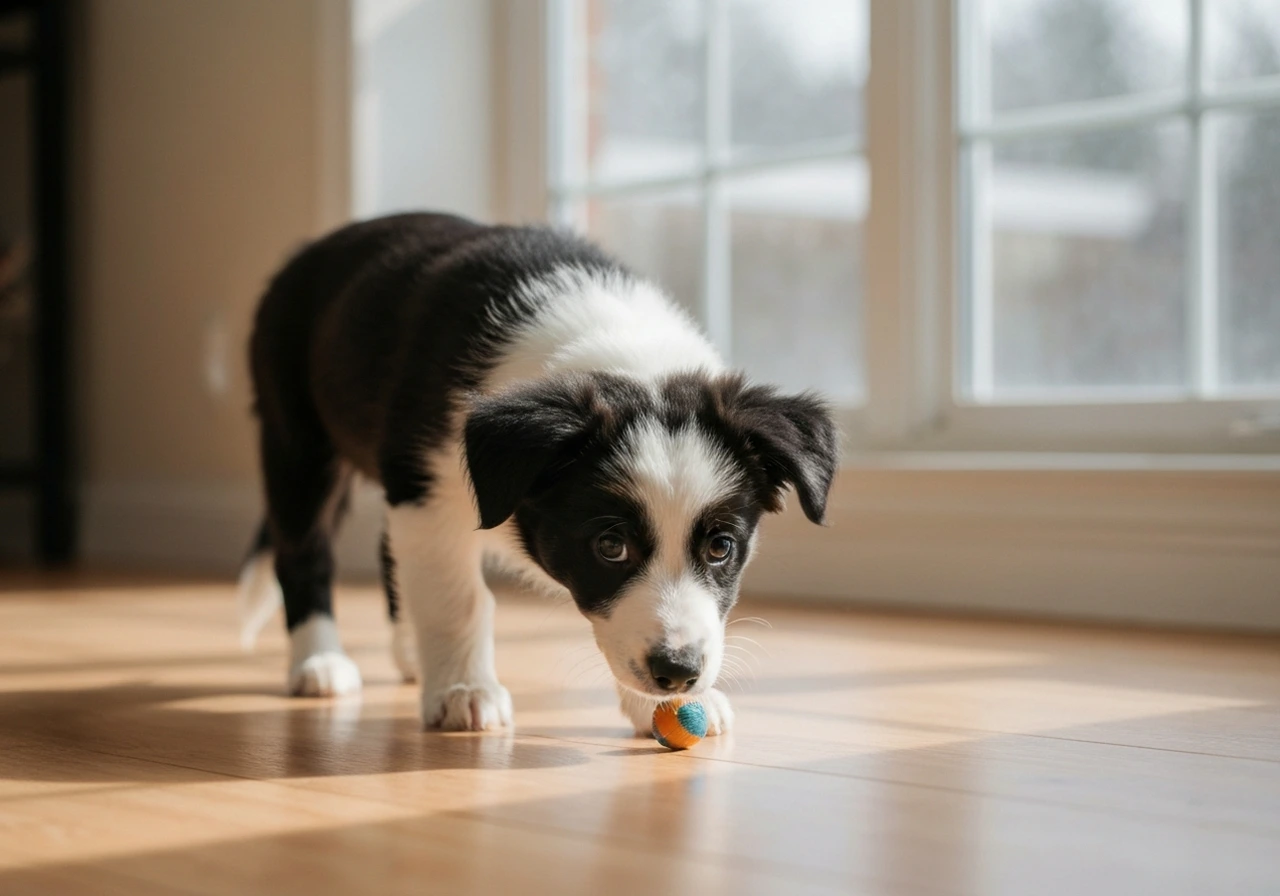
Sage is the opposite. Put her in a pen with stock and she reads individual animals. She knows which calf I want before I've finished pointing at it. She'll ease up behind it, apply just enough pressure to separate it from the group, and walk it through the gate without raising anyone's blood pressure.
This is where training beyond basic herding pays off. Sorting isn't something dogs do naturally. It took Sage about eight months to learn the basics and another year to get reliable. Now she saves me an hour of wrestling calves every time we work the chutes.
The vaccination work takes maybe ninety minutes. Sage works the sorting pen, I work the squeeze chute, and by five o'clock we've got thirty head processed. Without her, I'd have needed two people and probably twice the time.
Evening Routine
Last job of the day is another pasture check, this time focused on the stock rather than the fences. Blue comes along again, but now he's moving different. Less intense, more watchful. He's counting, in his way. Making sure everyone's accounted for.
We check the water tanks, look for any animals acting off, confirm the pregnant heifers are where they should be. If something's wrong, Blue usually notices before I do. He'll stop and stare at an animal that's not moving right, or position himself between me and a cow that's got her hackles up.
By seven, we're done. Dogs get a lighter evening meal, then they've got free time until dark. Blue usually lies on the porch where he can watch the road. Sage patrols the yard perimeter once and then settles. They're not really off duty - a ranch dog never is completely - but the intensity drops.
The hardest part of running working dogs isn't the training or the long hours. It's making the call when a dog can't work anymore. Blue's seven, and he's slowing down. Maybe two more years of full work left in him. When that time comes, he'll stay on the ranch, but watching Rip take over his job is going to hurt. Every good working dog you raise is a friend you're eventually going to lose. That's the price of this partnership, and it's worth paying, but nobody tells you about it when you're picking out a puppy.
Why This Matters
I write this stuff because people have strange ideas about working dogs. Some think it's cruel to make a dog work. Others think any herding breed will naturally do this job without training. Both groups are wrong.
These dogs were bred for this. Blue is happiest when he's got a job. Take his work away and he'd be miserable, pacing the fence line, trying to herd the barn cats, driving everyone crazy. The work isn't a burden - it's what makes his life meaningful.
But it doesn't happen by accident. Getting a dog to this level of usefulness takes years of training, a good foundation from choosing the right prospect, and daily investment in the partnership. The dogs on those viral videos making it look easy? Each one represents thousands of hours of work you don't see.
If you're thinking about working dogs for your own operation, start by watching what real working dogs actually do. It's less glamorous and more useful than what you see in movies. And it's built one day at a time, just like everything else on a ranch that's worth having.
For those curious about the genetics behind what makes certain breeds suited for this work, The Herding Gene has solid information on working dog breeding and selection.
Ready to understand how working teams operate when you've got more than one dog? See our piece on building and managing multi-dog teams.