
My nearest veterinarian is 47 miles away. Good vet, reasonable prices, but getting there takes half a day when you count driving and waiting. That means most health decisions happen here on the ranch, with a vet call for the serious stuff and my own judgment for everything else.
This isn't ideal. I'd love a vet within shouting distance. But rural operations don't get that luxury, and wishing doesn't change facts. What works is learning enough to handle common problems, building a relationship with a vet who understands working dogs, and making decisions that prioritize long-term soundness over short-term convenience.
Daily Assessment: Catching Problems Early
Every morning, I look at each dog. Not a formal exam - just attention. How are they moving? Eating with normal enthusiasm? Holding weight? Any limping, favoring, or reluctance to work? The dogs that live with you tell you when something's wrong if you're watching.
Blue showed me he had a foxtail in his paw before I could see anything visible. Just a slight hesitation putting weight on the left front. Caught it early, dug out the awn before it migrated, saved myself a vet bill and him a lot of pain. If I'd been too busy to notice, that would've been a sedated extraction in a couple weeks.
Things I check daily, more or less automatically:
- Movement pattern - any lameness, stiffness, or reluctance
- Appetite - working dogs should eat eagerly
- Energy level - appropriate for conditions and recent work
- Eyes - clear and bright, no discharge or squinting
- Coat condition - shiny coat means good nutrition and health
Weekly, I do a hands-on check. Run my hands over the whole dog feeling for lumps, cuts, hot spots, or anything that makes them flinch. Check ears for infection. Look at teeth and gums. Trim nails if the ground hasn't worn them down naturally.
Early problem detection requires knowing what normal looks like. Blue runs hot after work - that's his normal. Sage runs cooler. If Blue doesn't seem warm after a gather, something might be off. If Sage is panting heavily after light work, something's wrong. You can't spot abnormal until you've established what normal is for each individual dog.
Feeding Working Dogs
Working dogs need more fuel than pets. Seems obvious, but I see working dogs underfed constantly - owners giving them the same amount as a house dog of similar size and wondering why they're getting thin and tired.
My dogs eat a high-quality kibble, roughly 30% protein and 20% fat. During heavy work seasons, I bump fat content up with a tablespoon of canola oil per meal. This gives them the energy density they need without overloading their stomachs.
Amounts vary by dog and work intensity:
- Blue gets about 4 cups daily during working season, 3 cups during lighter months
- Sage, who's smaller and more efficient, gets 3 cups working, 2.5 light
- Rip is still growing and working hard, so he gets a bit more - around 4.5 cups
I feed twice daily, morning and evening. Never right before heavy work - full stomach and exercise don't mix well, and there's a real risk of bloat in deep-chested dogs. Morning feed is lighter, evening is the main meal after work is done.
Fresh water available all the time. During hot weather, I check water bowls multiple times daily. A working dog in Montana summer can drink a gallon a day easy.
Managing Injuries
Working dogs get hurt. It's not a question of if but when. Cuts, sprains, snake bites, barbed wire tangles, kicked by stock - I've dealt with all of it.
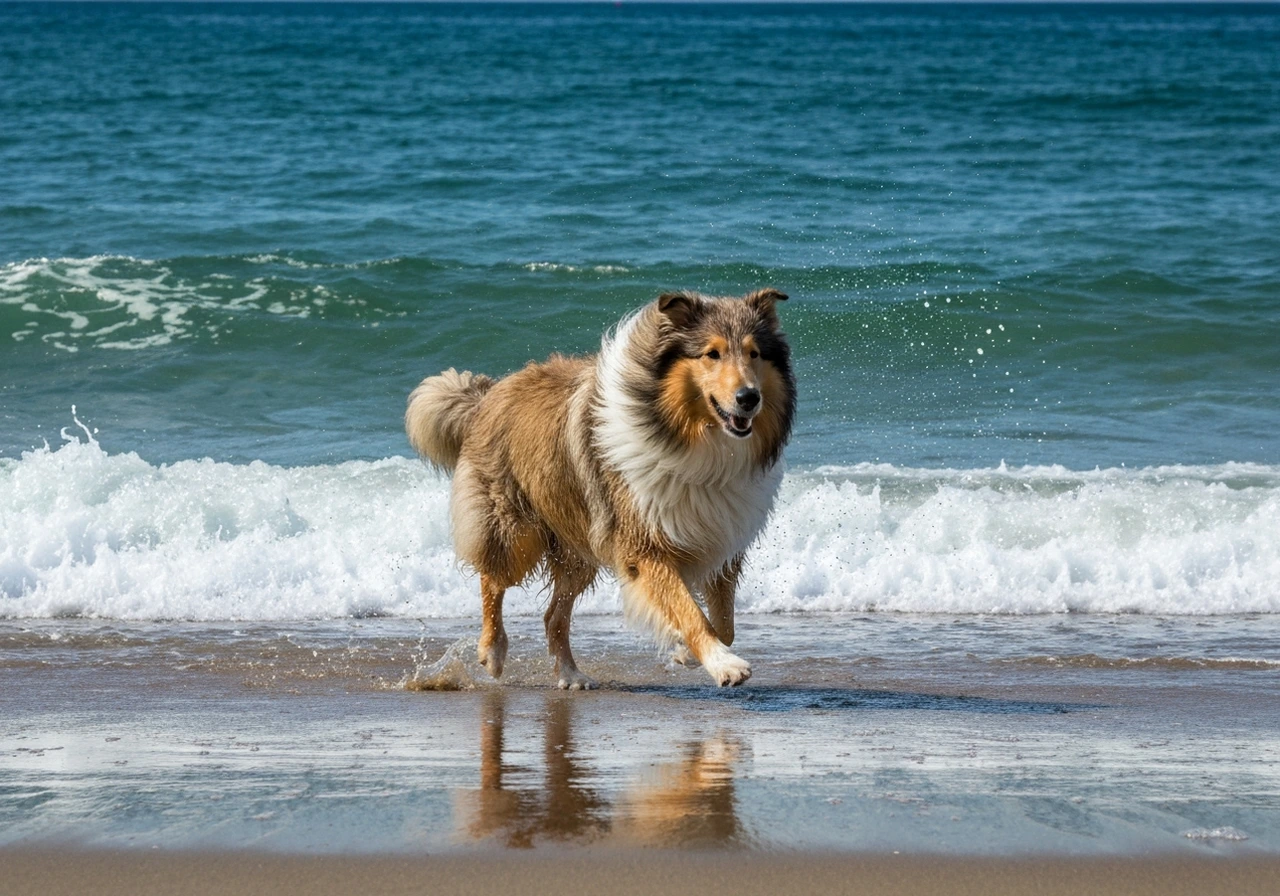
My ranch kit includes:
- Wound flush (saline solution)
- Antibiotic ointment
- Vet wrap and gauze
- Styptic powder for nail bleeding
- Benadryl for mild allergic reactions
- Hydrogen peroxide to induce vomiting (with vet guidance)
- Digital thermometer
- Tweezers for foxtails and splinters
Most minor cuts and scrapes I handle myself. Clean the wound, apply antibiotic ointment, wrap if needed, keep it clean while healing. Dogs heal fast when they're healthy and the wound stays clean.
What sends me to the vet: deep punctures, anything involving the eye, suspected broken bones, severe lameness that doesn't improve with rest, snake bites, anything that looks infected despite treatment, and any symptom I can't identify.
The Phone Call That Saves Money
Before driving to the vet for a non-emergency, call. Describe what you're seeing. Good vets will often tell you if something can be managed at home or needs to come in. My vet has saved me probably a dozen unnecessary trips over the years with phone consultations that ended with "give it 48 hours, but call back if it gets worse." That's not them brushing me off - that's them knowing what actually requires hands-on treatment.
Preventive Care: What's Worth It
Veterinary medicine has no shortage of things you could spend money on. When the budget is real, you have to prioritize what actually makes a difference.
Non-negotiables for my dogs:
Rabies vaccination: Required by law, and a real risk with wildlife around. My dogs are current, period.
Core vaccinations (distemper, parvo, adenovirus): These diseases kill dogs. The vaccines work. No reason not to do this.
Heartworm prevention: Heartworm exists in Montana and it's nasty. Monthly preventive is cheap compared to treatment, and way cheaper than losing a dog.
Flea and tick prevention: Ticks carry Lyme and other nastiness. Prevention beats treatment every time.
Things I skip or minimize:
Annual boosters for everything: After the initial puppy series and first adult booster, research suggests many vaccines provide protection for years. I do titers to check immunity rather than automatically vaccinating every year for everything.
Dental cleanings: Raw bones and appropriate chews keep most working dogs' teeth clean enough. I've only needed professional dental work on dogs that had problems beyond what home care could handle.
Premium everything: Expensive supplements, specialty foods, wellness plans - most of this is marketing for worried pet owners. Working dogs on good food, getting real exercise, don't need most of what's being sold.
Joint Health: Playing the Long Game
A dog that goes lame at five from joint problems that could've been prevented is a dog whose working life got cut in half. Joint health matters more than almost anything else for longevity.
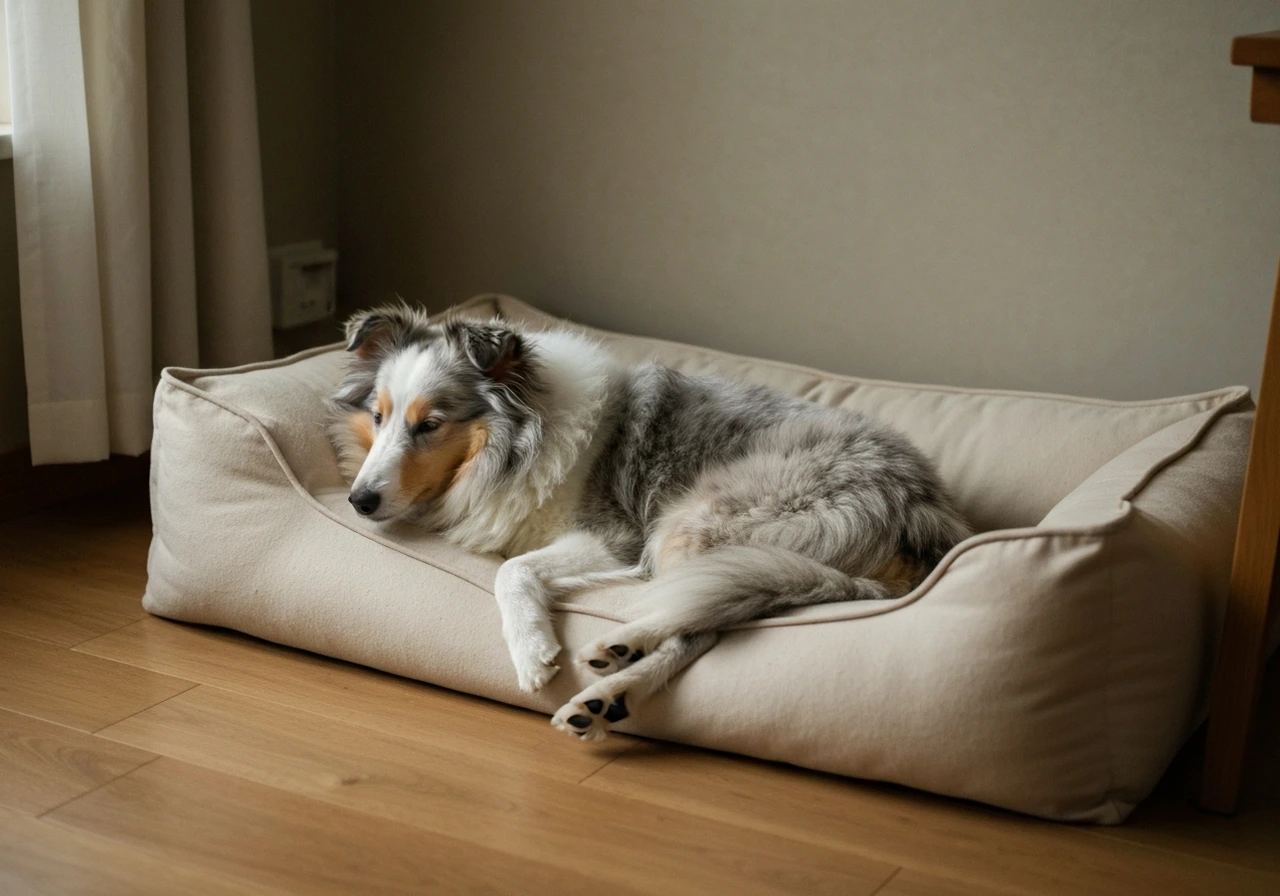
Start with good genetics. A dog with dysplastic parents has higher odds of joint problems regardless of what you do.
Don't over-work young dogs. Puppy joints aren't ready for the impact of serious work. I keep formal work light until dogs are at least 18 months, and don't push hard until closer to two years. Those extra months of development pay off for the next decade.
Keep dogs lean. Extra weight is extra stress on joints with every step. A working dog should have visible rib definition and a clear waist when viewed from above. If your dog looks like a sausage, they're carrying weight that's grinding down cartilage.
Glucosamine and fish oil supplements seem to help my older dogs. Blue started on joint support at age five, and at seven he's moving better than some four-year-olds I see. Cheap insurance for a dog you've invested years in.
The soundness conversation runs through the feed bowl too. A dog underfed through a hard season burns muscle, and a dog overfed through a slow season arrives stiff and overweight. My full breakdown of the calorie math for working dogs walks through seasonal adjustment, fat-versus-carb ratios, and cold-weather bump calculations. And when the orthopedic wear finally catches up, the companion piece on retiring a working dog covers the transition honestly.
Rest and Recovery
This might be the most important section. A lot of working dog breakdowns come not from specific injuries but from never getting adequate recovery.
After a hard day of work, my dogs get the next day light or off. After a particularly brutal week - say, moving cattle across the whole property during roundup - they get several days of minimal work. Their bodies need time to repair, and pushing through accumulates damage that eventually becomes a crisis.
Blue used to work six days a week, spring through fall. Now at seven, he works four days maximum, with easier days between harder ones. He's still useful, still earning his keep, but I'm managing his workload to extend his career rather than burn him out.
Recognize when a dog needs rest even if they want to work. Herding dogs are terrible at self-regulating. They'll run until they collapse if you let them. The handler has to be the one with judgment, pulling the dog off before they push too far.
Slower recovery from work sessions (still tired the next day), stiffness that wasn't there before, decreased enthusiasm for work they used to love, minor injuries that aren't healing as fast as they should, weight loss despite adequate feeding. Any of these means you're probably asking too much. Scale back before something breaks.
The Hard Decisions
Eventually, every working dog reaches the point where they can't work anymore. Injury, age, arthritis, declining senses - something ends the career, and you have to decide what comes next.
Some working dogs transition to retirement fine. Cody will probably be happy as a companion dog when his working days are done. Blue, I'm not sure about. Dogs that live for work sometimes struggle when the work stops.
What I can tell you is that I don't keep dogs in pain. If a dog's quality of life has declined to where they're suffering, the kind thing is to end that suffering. I've made that call three times over the years, and each one was awful, but letting a dog hurt to spare my feelings would've been worse.
A good vet helps with this. They can assess pain levels more objectively than owners who are emotionally invested. They can discuss options for management versus euthanasia. Having that conversation before it's urgent, before you're making a crisis decision, helps.
Working dogs give us their best years without holding back. We owe them dignity at the end, whatever that looks like for each individual dog.
To understand the genetic basis for some health conditions in working breeds, The Herding Gene offers research-based information on inherited conditions affecting herding dogs.
The goal is always the same: dogs that work productively through a full career and retire sound. Start with good genetics, train smart, run them in balanced teams, and manage their health with attention to what actually matters. Do that, and you'll have partners that earn their place for years.